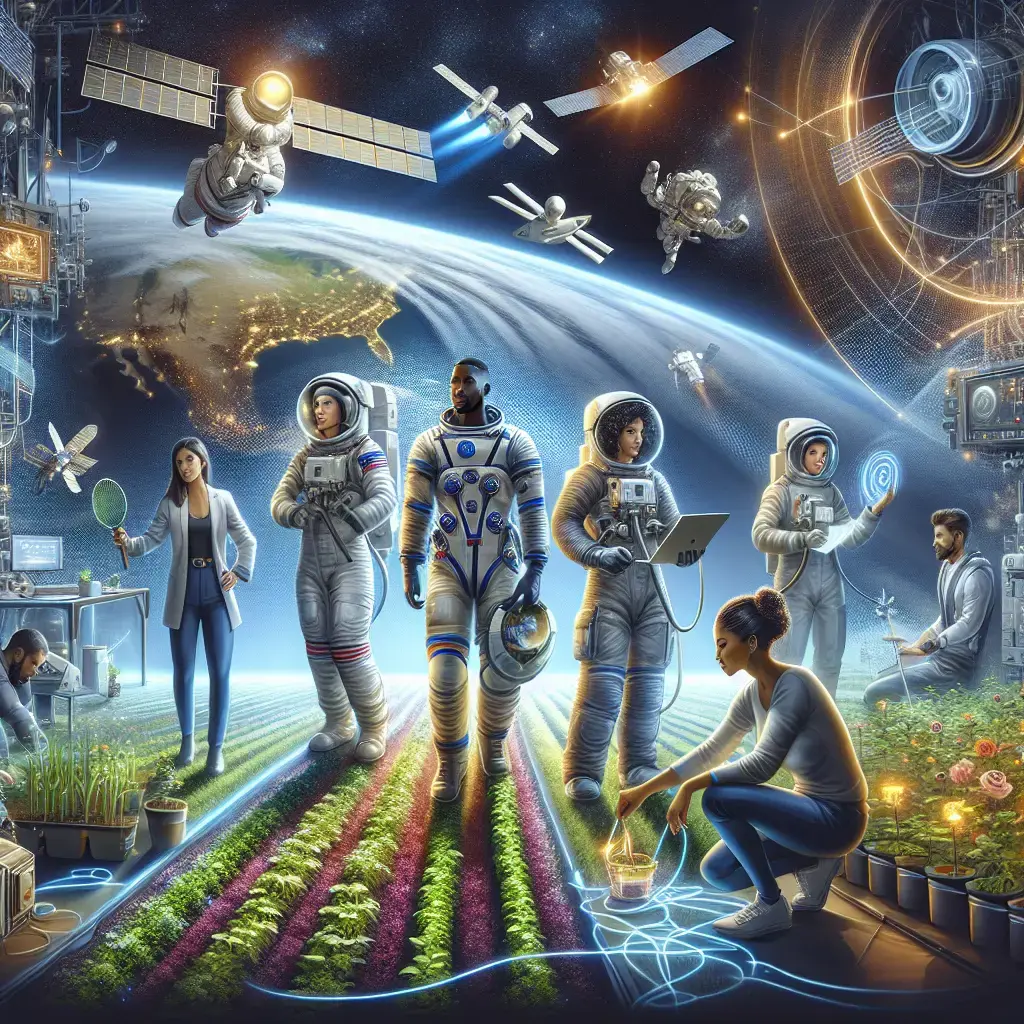
Embarking on the journey of self-sufficient living demands innovation, adaptability, and an unwavering commitment to sustainability.
In recent years, the concept of self-sufficient living has gained momentum, transcending Earth’s boundaries and extending into the realm of space exploration. As humanity prepares for longer missions farther away from our home planet, the necessity for crews to be self-sufficient becomes more critical than ever. This exciting frontier is spearheaded by ongoing research and initiatives aimed at enabling astronauts to thrive independently in space habitats.
The Role of Manufacturing in Space
One of the primary focuses of this research is manufacturing tools and medicine in space. When astronauts embark on missions that take them farther from Earth, the ability to produce essential items onboard becomes crucial. Waiting for supplies from Earth is not always feasible when navigating the vast expanses of space.
Tool Manufacturing: In the realm of tool creation, 3D printing technology is paving the way for in-space production. This allows astronauts to fabricate necessary equipment on-demand, reducing reliance on Earth-based resupplies and ensuring mission success.
Medicine Production: Producing medicine in space is equally vital. By synthesizing pharmaceuticals on-site, spacefarers can address health needs promptly, safeguarding their well-being during extended missions.
Training for Self-Sufficiency
Equipping astronauts with the skills necessary for self-sufficient living is another critical component. Crews are being trained to operate and maintain advanced systems that support life and mission objectives independently. This training not only enhances their problem-solving capabilities but also fosters a mindset of resourcefulness.
Benefits Beyond Space Exploration
The advancements made in space have profound implications for self-sufficient living on Earth. Innovations in sustainable living practices can transition from space missions to everyday life, offering solutions to global challenges such as resource scarcity and environmental degradation. Here are some ways these technologies are impacting Earth:
Sustainable Agriculture: Techniques developed for growing food in space can lead to more efficient and sustainable agricultural practices on Earth.
Water Recycling: Systems designed for water reclamation aboard spacecraft are influencing water conservation methods worldwide.
Renewable Energy: The emphasis on solar energy in space missions serves as a model for enhancing renewable energy sources on our planet.
Conclusion
As we continue to push the boundaries of exploration, the lessons learned from developing self-sufficient crews in space inspire us to embrace sustainability in our lives here on Earth. By adopting these innovative practices, we not only prepare for future interstellar adventures but also contribute to a healthier and more sustainable planet.
For those interested in delving deeper into this fascinating topic, further insights can be found here.
Stay curious, stay inspired, and may your journey towards self-sufficiency be as boundless as the cosmos.
Author: Ethan Reynolds