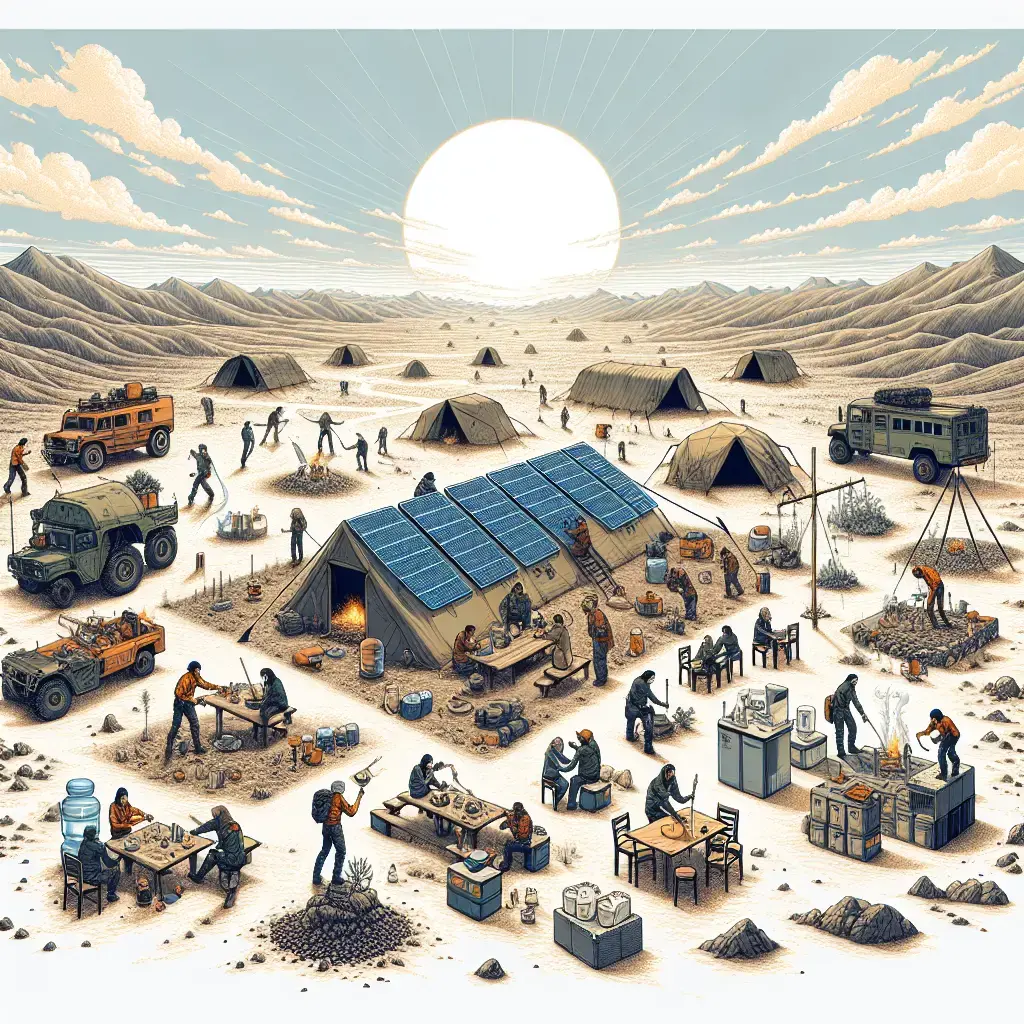
In today's world, the concept of self-sufficient living has become not only a trend but a necessity for many seeking independence from societal structures.
The roots of self-sufficient living can be traced back to the survivalism movement, which emerged in the 1970s. During this time, there was a widespread fear of imminent natural and artificial disasters that could lead to societal collapse. This fear catalyzed the development of survivalism—a subculture focused on preparing for catastrophic events and ensuring one's survival in the face of disaster.
Survivalism, particularly in America, involves a diverse group of individuals known as "preppers." These individuals dedicate themselves to becoming self-reliant and are often skilled in areas such as:
- Food preservation and gardening: Growing one's own food and preserving it through canning or drying techniques.
- Water purification: Knowing how to find and purify water is essential for survival, especially in emergency situations.
- Shelter building: Having the ability to construct or maintain a shelter that provides protection from environmental elements.
- Self-defense and first aid: Being equipped with basic self-defense skills and medical knowledge to handle emergencies.
While survivalism initially emerged as a response to perceived threats, its principles align closely with those of self-sufficient living. Today, many people are adopting these practices not out of fear, but to gain control over their lives and reduce dependency on external systems.
Why Choose Self-Sufficient Living?
Sustainability: By growing your own food and harnessing renewable resources, you contribute to environmental conservation.
Cost-Effectiveness: Reducing reliance on commercial goods and services can significantly lower living expenses.
Resilience: Building skills and resources to sustain yourself enhances your ability to weather economic or societal disruptions.
Health Benefits: Consuming fresh, home-grown produce often leads to healthier dietary choices.
Steps to Embrace Self-Sufficiency:
- Start small by cultivating a garden or learning a new skill such as sewing or carpentry.
- Educate yourself on renewable energy sources like solar panels and consider integrating them into your home.
- Network with like-minded individuals who can share knowledge and offer support.
As we look to the future, embracing self-sufficient living can provide us with the tools we need to thrive independently. Whether motivated by environmental concerns, financial savings, or personal empowerment, the journey toward self-sufficiency is both rewarding and fulfilling.
For more insights into the survivalism movement and its relevance today, visit this article.
In conclusion, self-sufficient living isn't just about surviving; it's about thriving in harmony with our environment and gaining peace of mind knowing we can sustain ourselves. Until next time, keep cultivating independence and resilience in your life.
Author: Ethan Reynolds