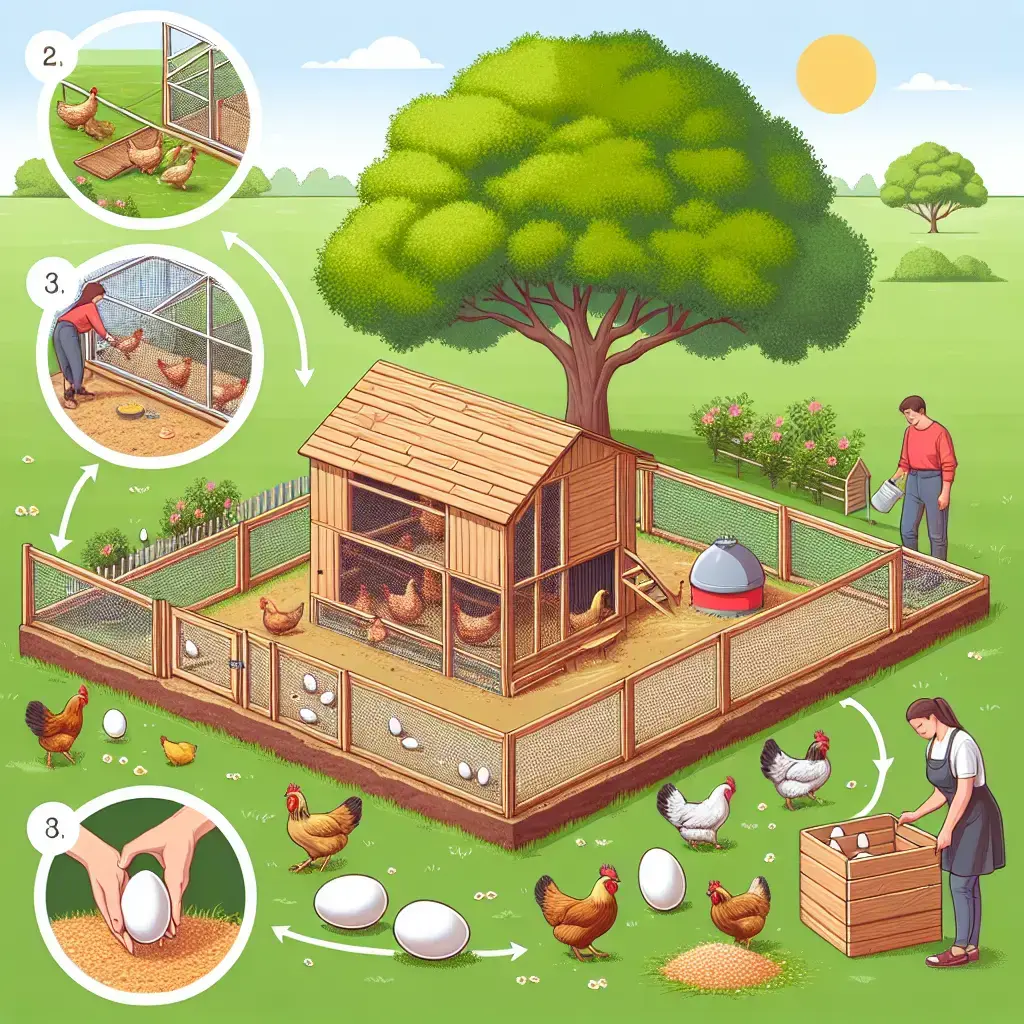
In recent years, more people are embracing the benefits of sustainable living by starting backyard chicken coops. Whether you're drawn by the promise of fresh eggs or the joy of raising chickens, building a chicken coop is an excellent venture that combines modern living with traditional practices.
Understanding the Benefits of Backyard Chicken Coops
Backyard chicken coops offer numerous benefits, from providing fresh eggs to enhancing your garden's productivity through natural fertilization. Raising chickens promotes sustainable living and encourages a self-sufficient lifestyle. As urban chicken farming gains popularity, communities around the globe are discovering the value of integrating these feathered companions into their daily lives (Source: Modern Farmer).
Planning Your Chicken Coop: Key Considerations
1. Space Requirements
Before starting a chicken coop, consider your available space. Chickens need adequate room to roam and forage. The general rule is to allow at least 3-4 square feet per chicken inside the coop and 8-10 square feet in an outdoor run. This ensures your chickens remain healthy and stress-free.
2. Legal Regulations
Check local zoning laws and regulations regarding backyard chickens. Urban areas may have restrictions on the number of chickens you can keep or prohibit roosters due to noise concerns (Source: Backyard Poultry).
3. Climate Considerations
The design of your chicken coop should account for your local climate. Ventilation is crucial in warmer climates, while insulation is necessary for colder regions to keep your flock comfortable year-round.
Choosing the Best Chicken Coop Design
When it comes to chicken coop design, creativity knows no bounds. From rustic wooden structures to modern eco-friendly builds, there’s a design to suit every aesthetic and budget.
DIY Chicken Coop Plans
For those who enjoy DIY projects, building a chicken coop can be a rewarding experience. There are many free and affordable chicken coop plans available online that cater to both beginners and seasoned builders (Source: The Spruce).
Pre-made Chicken Coops
Alternatively, purchasing a pre-made coop is a convenient option for those who prefer not to build from scratch. Ensure any purchased coop meets size requirements and offers easy access for cleaning and maintenance.
Selecting the Best Chicken Breeds for Eggs
Choosing the right breeds is essential when raising chickens for eggs. Some breeds are known for their prolific egg-laying abilities:
- Leghorns: Known for laying large white eggs, Leghorns are hardy and low-maintenance.
- Rhode Island Reds: These birds are excellent layers of brown eggs and adapt well to various climates.
- Australorps: Famous for their egg production, Australorps are friendly and ideal for backyard settings.
Each breed has unique characteristics, so consider factors like egg color preference, temperament, and climate adaptability when making your selection (Source: The Happy Chicken Coop).
Setting Up Your Chicken Coop
Essential Features
A well-planned chicken coop setup should include nesting boxes, roosting bars, and a secure run area. Nesting boxes should be lined with straw or wood shavings and provide privacy for hens to lay eggs comfortably.
Security Measures
Predator protection is vital for backyard chickens. Ensure the coop is fortified with sturdy wire mesh and a secure locking mechanism to keep out potential threats like raccoons or foxes.
Maintaining Your Chicken Coop
Regular maintenance is crucial for the health of your flock and the longevity of your coop.
- Daily Tasks: Check food and water supplies, collect eggs, and inspect chickens for signs of illness.
- Weekly Tasks: Clean nesting boxes and replace bedding materials.
- Monthly Tasks: Conduct a thorough cleaning of the coop, checking for structural damage or needed repairs (Source: Fresh Eggs Daily).
Embracing Urban Chicken Farming
Raising chickens in urban environments might seem challenging, but it's entirely feasible with proper planning and community support. Urban chicken farming not only provides fresh eggs but also offers educational opportunities for children and fosters community connections (Source: National Geographic).
Case Study: The Rise of Urban Homesteads
Inspired by global movements towards ecological living, urban homesteads are gaining traction in cities worldwide. These initiatives highlight how sustainable practices like backyard chicken farming can thrive in metropolitan areas, paving the way for more inclusive environmental stewardship (Source: The Ecologist).
Are you ready to embark on this rewarding journey? Starting a chicken coop can transform your backyard into a vibrant hub of activity, contributing to a more sustainable lifestyle while providing your family with delicious fresh eggs every day.
By taking these thoughtful steps towards sustainable living with chickens, you join countless others in reclaiming traditional practices that honor our connection to nature in today's modern world.
Conclusion: Embrace the Joy of Backyard Chicken Farming
Starting a backyard chicken coop is a rewarding journey that combines sustainable living with the joys of raising animals. By following these key steps, you can ensure a successful and fulfilling experience:
- Space & Legal Considerations: Provide adequate space for your chickens and comply with local regulations to create a harmonious environment.
- Climate-Specific Design: Tailor your coop to your local climate, ensuring proper ventilation or insulation as needed.
- Design Choices: Whether you choose a DIY approach or a pre-made option, make sure your coop is functional and suits your aesthetic preferences.
- Breed Selection: Choose chicken breeds based on egg production, climate adaptability, and personal preferences.
- Coop Setup & Security: Incorporate essential features like nesting boxes and secure the coop against predators.
- Regular Maintenance: Maintain your coop with daily, weekly, and monthly tasks to ensure the health and productivity of your flock.
- Urban Chicken Farming: Embrace the educational and community-building aspects of urban chicken farming.
Embarking on this journey not only provides fresh eggs but also enriches your life with the joys of sustainable living and a deeper connection to nature. As you transform your backyard into a lively homestead, remember that each step you take contributes to environmental stewardship and self-sufficiency.
We invite you to share your experiences and insights on backyard chicken farming. What challenges have you faced, and how have you overcome them? Your stories can inspire others to join this growing movement. Feel free to leave your thoughts in the comments below.
Happy farming,
Ethan Reynolds