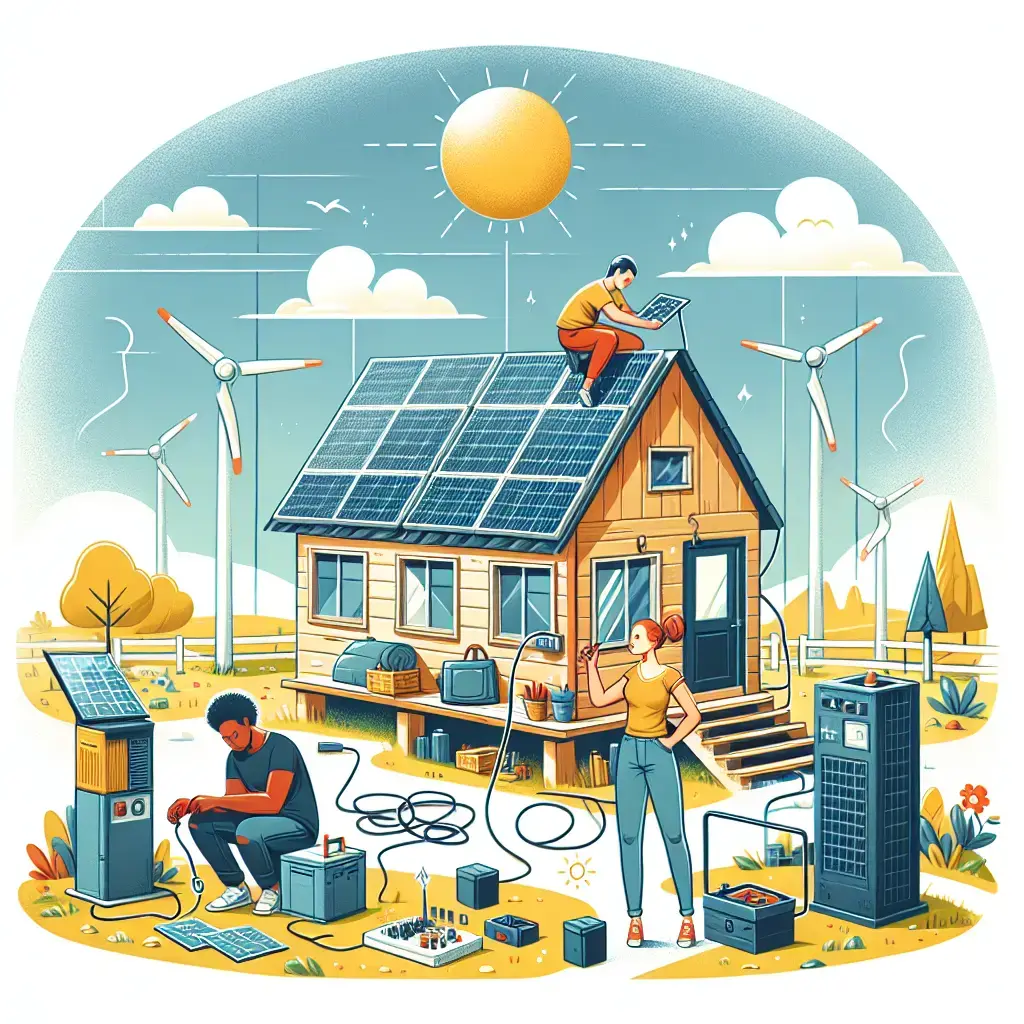
Exploring DIY Solar Power Solutions for Off-Grid Living
In a world increasingly focused on sustainability, DIY solar power solutions for off-grid living are capturing the imagination of eco-conscious enthusiasts and pioneers of energy independence. As individuals and families pursue sustainable living, harnessing renewable energy through innovative home solar projects has become an attainable reality. Whether you're nestled in a remote cabin, embarking on the minimalist journey of tiny home living, or simply seeking off-grid electricity alternatives, solar energy solutions offer the freedom to live untethered from conventional power grids.
Understanding Core Components of Off-Grid Solar Systems
To effectively embrace off-grid living through DIY solar power, understanding the essential components is crucial. Solar panel installation, solar inverter setup, and solar battery storage form the backbone of any off-grid solar system. These elements work together to capture, convert, and store solar energy, ensuring a consistent power supply.
Solar Charge Controllers: These devices are critical in preventing overcharging of batteries, thereby extending their life. They ensure that your solar energy solutions remain efficient and reliable over time. For those interested in a technical deep dive into how solar charge controllers work, this guide from EnergySage offers an excellent overview.
Solar Inverter Setup: Inverters play a vital role by converting the direct current (DC) produced by solar panels into alternating current (AC), which powers most household appliances. Understanding the different types of inverters—such as string inverters, microinverters, and hybrid inverters—can significantly impact the efficiency of your home solar projects.
Recent Innovations in Solar Technology
Recent technological advancements have made DIY renewable energy projects more accessible than ever. Solar power kits now come with detailed instructions and all necessary components, allowing even novices to embark on this journey toward sustainable living. Additionally, innovations such as flexible solar panels and portable solar generators are opening new possibilities for off-grid electricity solutions.
A key development in recent years is the increased efficiency of solar panels. According to a report by the International Renewable Energy Agency (IRENA), efficiency rates have improved significantly, making solar power for cabins and tiny homes not only feasible but highly effective.
Case Studies: Success Stories in Off-Grid Living
Real-world examples provide valuable insights into how individuals and communities are utilizing DIY solar power. For instance, in Greece, ecological communities like the Nesson Ecovillage have successfully implemented off-grid solar systems to achieve near-total energy independence (source). These communities demonstrate the transformative potential of renewable energy when combined with a commitment to sustainability.
In the United States, rural areas are increasingly adopting homemade solar solutions. This shift is partly driven by a desire for energy independence, as well as a response to unreliable conventional power grids. Despite challenges such as initial setup costs and maintenance, these communities showcase the long-term benefits of sustainable living through off-grid solar panels.
Benefits of DIY Solar Power for Off-Grid Living
The advantages of DIY solar power extend beyond environmental benefits. For many, the allure lies in cost savings and self-sufficiency. By investing in solar energy solutions, individuals can drastically reduce their monthly energy bills while contributing to a greener planet.
Moreover, DIY projects often lead to a deeper connection with the natural world. Engaging directly with renewable energy fosters an appreciation for the intricacies of eco-friendly power and encourages further exploration into sustainable practices. As you take this journey, consider how your efforts contribute to broader environmental goals.
The Social Dimension: Community and Collaboration
The move towards DIY renewable energy also has social implications. It fosters a sense of community among like-minded individuals who value sustainability and self-reliance. Collaborative efforts can enhance knowledge sharing and provide support networks for those new to off-grid living.
Additionally, there's a growing trend of integrating direct democracy within these communities, as seen in some European ecovillages (source). This approach empowers residents to participate actively in decision-making processes regarding their energy use and sustainability practices.
Addressing Challenges and Misconceptions
Despite the numerous benefits, transitioning to off-grid solar systems can present challenges. Initial setup costs can be high, and there may be a learning curve involved with installing and maintaining systems. However, these obstacles are often outweighed by long-term savings and environmental benefits.
It's also important to address misconceptions around DIY solar power. Some may question its reliability or effectiveness compared to traditional power sources. Yet, with advancements in technology and increasing affordability, these concerns are becoming less relevant. It's essential to rely on credible sources and data when considering such projects.
Conclusion: Embracing a Sustainable Future
As we navigate the complexities of modern living, DIY solar power solutions for off-grid living present an exciting opportunity to redefine our relationship with energy. Whether you're inspired by case studies from Greece's ecological communities or motivated by a desire for energy independence in rural America, there is immense potential in homemade solar solutions.
Embarking on this journey requires careful planning and consideration of various factors, from choosing the right components to understanding installation techniques. Yet, the rewards—both personal and environmental—make it a worthwhile endeavor. As you explore these possibilities, remember that each step towards renewable energy contributes to a more sustainable future for all.
For further information on starting your own off-grid solar project, check out this comprehensive guide from Solar Reviews.
May your journey towards energy independence be enlightening and fulfilling.
Harness the sun, embrace sustainability.
Warm regards,
Ethan Reynolds